
Below-the-Hook Lifting Devices
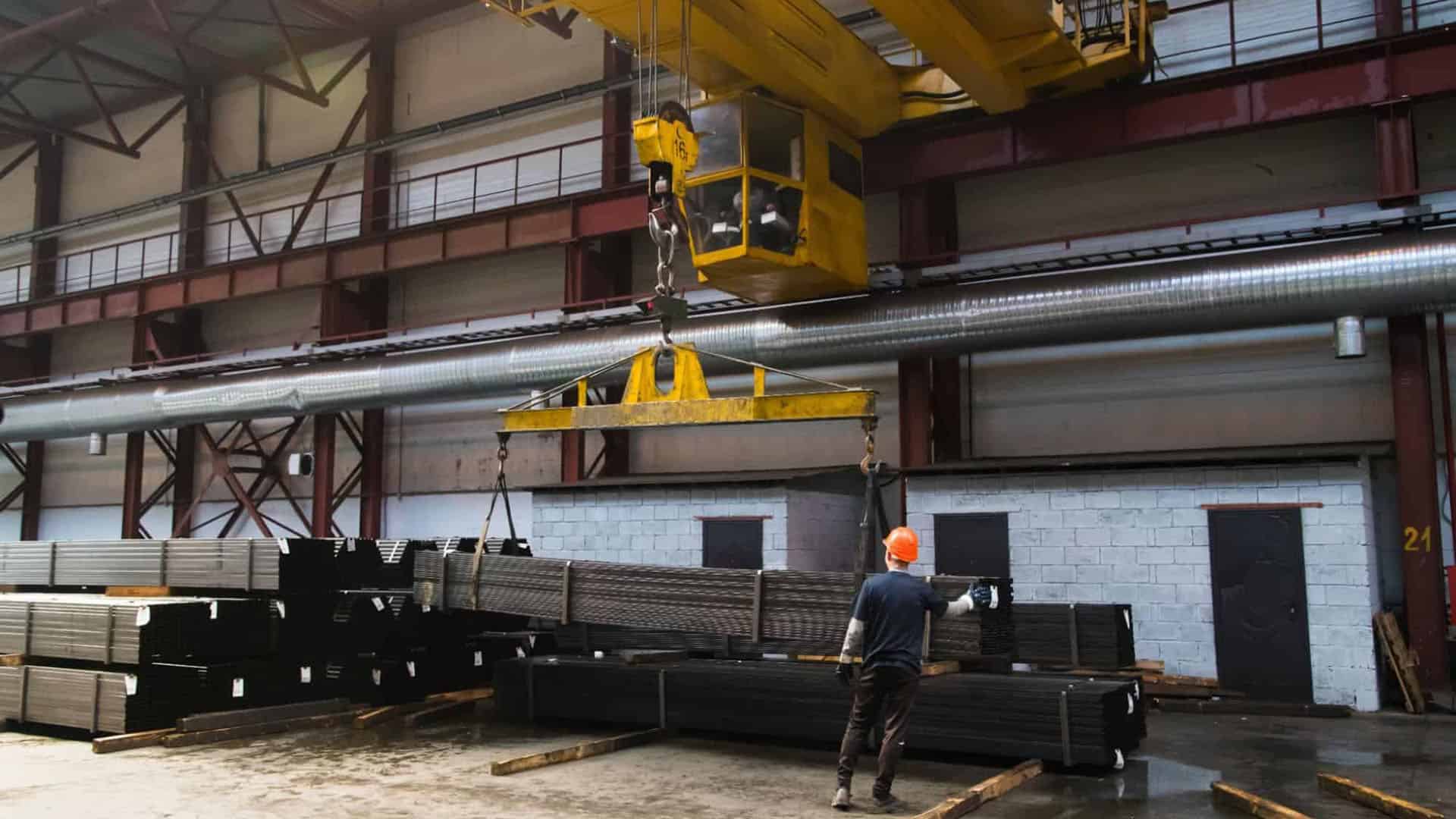
Below-the-hook lifting devices attach loads to hoists, allowing you to lift, move, and position objects safely and efficiently. Flatiron provides devices for all types of loads, regardless of shape or size ‒ ensuring you have the right equipment for your material handling operations.
Below-the-Hook Devices We Supply and Engineer
Flatiron offers a wide range of below-the-hook devices designed to handle both light and heavy materials. Whether you need a device with instant engagement, multiple lifting points, or one built for low-headroom applications, we deliver equipment built to meet your precise requirements.
Spreader Beams
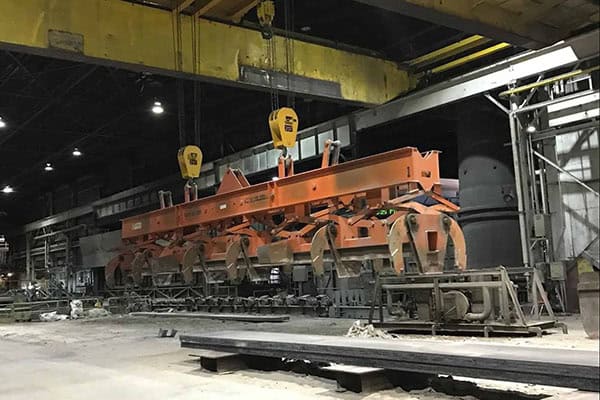
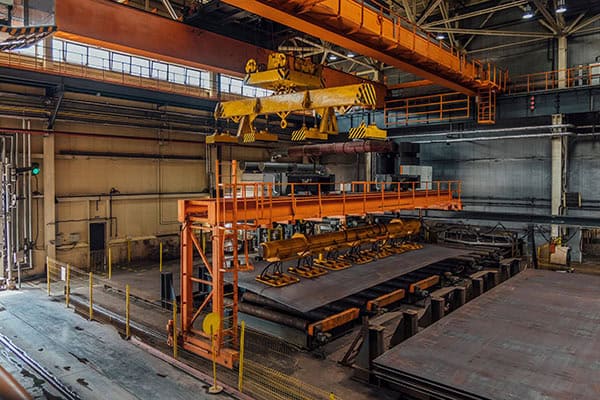
Instead of lifting objects from a single hook point, spreader beams use multiple lifting points to distribute weight over a wider area. This not only keeps the load stable and level while it’s being transferred from one point to another, but also reduces the amount of stress placed on it.
Coil Hooks (C-Hooks)
In order to avoid damage, coil hooks are designed to lift coiled material from their center opening rather than the outside edge. This method improves balance and stability while also minimizing the risk of deformation – for safe, secure, and controlled handling.
Coil Lifters
Also known as coil grabbers or coil tongs, coil lifters grip and move coiled materials by their outer or inner diameter using mechanical arms or tongs. Ideal for stacking items in tight spaces, coil lifters offer precise control and can accommodate various coil widths.
Pallet Lifters
Pallet lifters are used to raise, move, and position palletized loads with an overhead crane instead of a forklift. Designed to maneuver pallets within confined areas, pallet lifters keep loads balanced while they’re being transferred, reducing the chance of falls and other accidents.
Tongs
Lifting tongs are designed for objects without a designated rigging point. Their arms wrap around loads, gripping them from their sides while supporting them from underneath, enabling you to move heavy or irregular items securely, without slipping, warping, or deformation.
Magnet Lifters
These heavy-duty devices are used to lift and move ferrous metals such as steel and iron. Simple to operate, they eliminate the need for hooks, chains, and slings – enabling workers to transfer materials from one point to another without rigging them directly.
Vacuum Lifters
A vacuum lifter latches onto objects with a powerful vacuum suction. An ideal choice for flat, smooth, and non-porous materials, such as glass and plastic, they allow operators to move and position objects with minimal effort, setup, or risk.
Gripper Manipulators
Installing gripper manipulators on overhead cranes allows operators to pick up, rotate, and position heavy and awkward objects. Their mechanical jaws can reach over and under obstacles in order to access areas outside your hoist’s normal operational range.
Sheet Lifters
Allow operators to lift, move, and stack flat materials such as metal, plastic, plywood, and glass. Their mechanical legs can move loads that weigh up to 20 tons, providing even and secure support that preserves their edging while minimizing the risk of bending, warping, or dropping.
Method of Operation
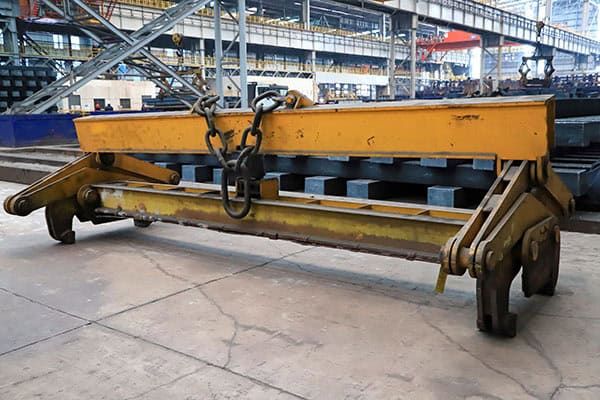
In order to match your workflow and optimize productivity, Flatiron provides below-the-hook devices with operating systems tailored to your application.
Manual Devices
Manual devices are controlled entirely by hand, without any external power source. While labor-intensive, they are a flexible option for operations that handle a wide variety of loads.
Power-Assisted Devices
Use an external power source, such as electricity, pneumatic air, or hydraulic pressure to help the operator lift, move, and manipulate materials.
Automatic Devices
Sensors trigger self-locking mechanisms that allow these devices to engage loads at the point of contact, without active input from the operator.
Custom-Engineered Solutions
Off-the-shelf solutions offer dependable results for standard lifting operations but often fall short when dealing with unusual loads in confined spaces or demanding environments. Customization allows businesses to optimize workflows with devices designed around the weight, dimensions, and geometry of their loads.
Purpose-built systems simplify rigging procedures by eliminating the guesswork involved when handling oversized or irregular objects – allowing operators to engage loads more efficiently and accelerate repetitive lifting tasks.
We can even incorporate advanced safety features, such as redundant grips, interlocks, and fail-safes, for operations that deal with hazardous or volatile materials. Engineered contact points also reduce the risk of damage, enabling you to transfer delicate materials where they’re needed more quickly.
Contact Flatiron today to discover how a precise, application-specific design can improve your operation!
Compliance and Inspection
All Flatiron devices are constructed with high-grade materials, according to the latest standards for safety and performance. Every product is subjected to intense load and operational testing, to ensure it’s strong enough to comply with OSHA regulations. Customers are provided with a full record of their device’s manufacture and evaluations, certifying to local, state, and federal authorities that it’s capable of handling its rated capacity.
Below-the-Hook Repair and Recertification
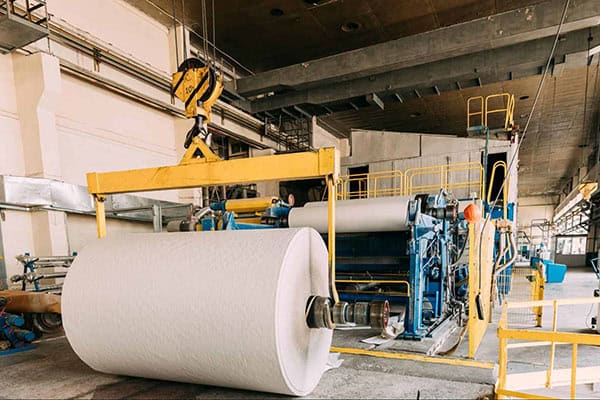
Repetitive lifting can wear down your devices, leading to a decline in performance and in some cases even equipment failure. Instead of purchasing a replacement, in many cases, Flatiron’s engineering team can repair below-the-hook devices that have been damaged due to recurrent operational stress ‒ a cost-effective option for businesses looking for ways to save money without sacrificing strength, safety, or efficiency.
All restored equipment is thoroughly tested and recertified to ensure your operation complies with OSHA regulations regarding worker protection, load capacity, and system performance.
Why Choose Flatiron Crane?
Flatiron delivers solutions designed to enhance productivity in tough industrial environments. Our below-the-hook devices are built to match the specific requirements of your loads. Whether you need a device capable of handling standardized boxed goods or specialty items such as coils, sheets, and oversized machinery, we deliver equipment that enhances lifting capacity across a wide range of applications and allows you to handle heavier and more complex loads.
FAQs
-
Do you service and inspect existing below-the-hook equipment?
Yes, our inspectors examine all types of existing below-the-hook equipment to ensure it complies with OSHA standards, even if we didn’t install it.
-
What’s the lead time on a custom BTH attachment?
For a custom lift device, the standard lead time is 16 to 20 weeks.
-
Do you provide installation and load testing?
Flatiron installs and tests all the equipment it designs, sells, and manufactures.
-
Can you engineer a below-the-hook device for an unusual or irregularly shaped load?
Our engineers build below-the-hook devices for all types of loads, even ones with non-standard shapes and sizes.
-
What information do I need to request a quote?
To request a quote, you’ll need to provide the following information.
- Target Completion Date
- Name of Project Lead
- Contact Phone and Email
- Tool Description and Number of Tools Needed
- Description of the Crane’s Functionality
- Lift Operation (Manual, Electric, Pneumatic, Hydraulic)
- Number of Annual Cycles the Crane Will Perform
- System’s Desired Service Life
- Maximum Head Height in Your Facility
- Maximum Clearance Height in Your Facility
- Height of Destination
- Height of Origin
Flatiron engineers also need to know whether there are any special considerations that need to be considered during design and installation. They also request 3D models of the objects you work with, if they’re available, to ensure your crane and equipment are properly configured.